


As workplace environments evolve-from traditional office layouts to open-plan spaces and hybrid working models-office tools are also adapting to new collaboration needs. Magnetic whiteboards have become increasingly common in modern workspaces.

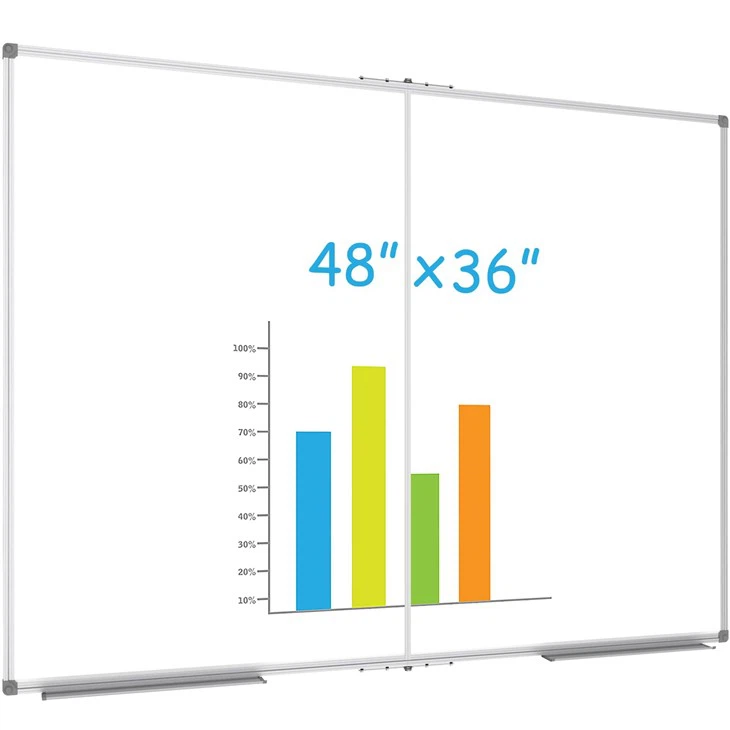

But what makes them so popular?
1. From Writing Tool to Collaboration Platform
Traditional whiteboards were mainly used for writing notes. Today's workplaces demand:
- Team collaboration
- Visual communication
- Agile project management
- Fast decision-making
Magnetic whiteboards go beyond writing. They allow teams to attach printed materials, charts, schedules, and documents using magnets-turning the board into an interactive workspace.
This makes brainstorming sessions and strategy meetings more dynamic and organized.
2. Improved Meeting Efficiency
Modern meetings rely heavily on visual communication.
Magnetic whiteboards enable teams to:
- Display documents and write simultaneously
- Rearrange materials instantly
- Present data clearly without relying on digital devices
Unlike projectors or screens, whiteboards are low-maintenance and not dependent on electricity or software systems.
For companies that conduct frequent meetings, this reliability matters.
3. Flexible for Open and Agile Workspaces
With the rise of flexible office layouts, tools need to adapt to changing environments.
Magnetic whiteboards can be:
- Wall-mounted in meeting rooms
- Integrated into training areas
- Combined with mobile stands for flexible usage
As project-based teamwork becomes more common, having adaptable collaboration tools becomes essential.
4. Supporting Multifunctional Office Needs
Today's office boards are not just for note-taking. They are used for:
- Project tracking
- Task management
- Training sessions
- Visual planning
Magnetic functionality adds an extra layer of usability, making the board more versatile across different applications.
This is one reason many commercial buyers prefer magnetic models over basic non-magnetic options.
5. Better Long-Term Value
Although magnetic whiteboards may have a slightly higher initial cost, they offer broader functionality and higher usability over time.
For long-term commercial use, versatility often translates into better return on investment.
Final Thoughts
The growing popularity of magnetic whiteboards in modern workspaces reflects broader changes in how teams collaborate and communicate.
As offices continue to evolve, multifunctional and flexible tools like magnetic whiteboards will remain an essential part of productive work environments.


