


White Board
Hangzhou Wideny Trading Co., Ltd. is a professional office storage products company for more than 14 years, our main products are pen holder, file tray, desk organizer, drawer organizer, magazine rack, waste Bin, wall files organizer and so on. We can provide you with high quality products at the best price, accept customization and can provide samples.
Made from metal and available in different colours, shapes and sizes, our pen holder has a smooth and delicate surface that has been finely polished and polished, and a spacious interior that can accommodate a large number of pens, keeping your desk tidy and showing off your taste at the same time. Practical as well as sophisticated and beautiful, our pen holder are an indispensable accessory for offices and studies.
If you are interested in our products, welcome to contact us, we will give you a satisfactory price.
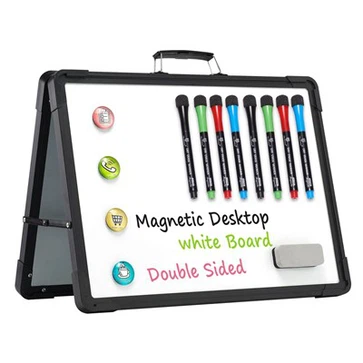
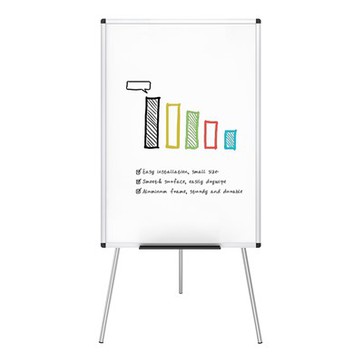
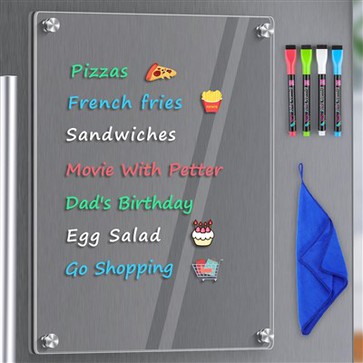


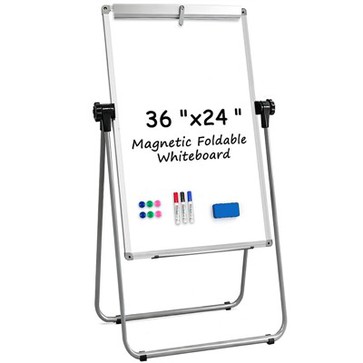


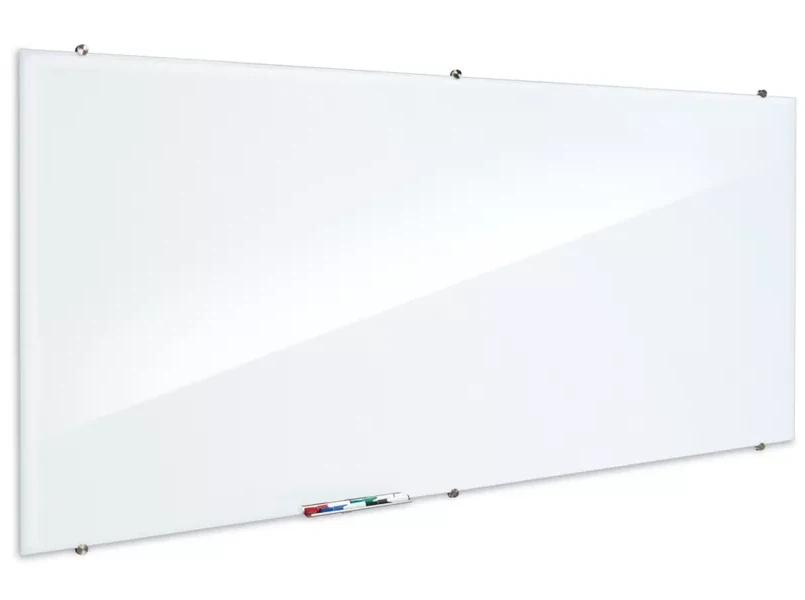
A whiteboard, also known as a dry-erase board or marker board, is a glossy, smooth surface typically white in color, used for non-permanent markings. It can be made of various materials such as melamine, porcelain enamel, glass, or even plastic. Unlike traditional blackboards which require chalk, whiteboards utilize dry-erase markers that can be easily wiped off with a dry cloth or eraser.
Whiteboards are commonly used in educational institutions, offices, meeting rooms, and other collaborative spaces for brainstorming, presentations, note-taking, and illustrating concepts. They offer a versatile and convenient platform for visual communication, allowing users to quickly jot down ideas, make changes on the fly, and share information with others.
What does a whiteboard do?
The functions of a whiteboard include:
Writing and drawing: A whiteboard serves as a space for writing and drawing where individuals can use whiteboard markers to jot down text, create charts, illustrate concepts, etc. This method of writing is flexible and convenient, allowing for easy modification and erasure, making it suitable for discussions, teaching, presentations, and more.
Presentation and display: Whiteboards can be used to showcase information, data, charts, and other content for sharing with others. By using a whiteboard, individuals can clearly present ideas, explain concepts, present data, facilitating better communication and understanding.
Collaboration and discussion: Whiteboards are often used as collaborative tools in team meetings, project discussions, study groups, etc. Participants can use the whiteboard together to brainstorm ideas, develop plans, record important information, fostering cooperation and communication.
Mind mapping and note-taking: Whiteboards can be used to create mind maps, flowcharts, sketches, etc., helping individuals organize thoughts, clarify logic, and record notes. By visualizing information on the whiteboard, it becomes easier to clarify thoughts and organize information.
Overall, whiteboards serve as interactive tools that promote active thinking, information dissemination, and team collaboration, widely used in education, business, meetings, and various other fields.
Understanding the Different Types and Uses of Whiteboards
In modern offices and classrooms, whiteboards have become essential tools. However, they're more than just simple surfaces for writing; they come in various types to suit different needs and settings. Understanding these variations is key to choosing the right one for your requirements.
Material Classification:

Metal Whiteboard
Metal whiteboards are typically made of steel or other metal surfaces, featuring magnetic properties that allow easy use of magnetic accessories such as magnets and markers. Due to their durability and reliability, they are commonly found in environments requiring long-term use, such as offices, factories, and warehouses. They can withstand heavy usage and cleaning, making them suitable for frequent writing and erasing tasks.
Arylic Whiteboard
acrylic whiteboards are usually made of lightweight acrylic materials, making them easy to carry and move. Because of their portability and affordability, acrylic whiteboards are commonly seen in temporary or light-duty settings, such as student dormitories, activity rooms, and households. They are easy to clean and can be quickly moved or stored when needed, making them ideal for temporary or mobile setups.


Glass Whiteboard
Glass whiteboards typically feature surfaces made of tempered glass, offering high transparency and clarity for excellent writing and display effects. Due to their ease of cleaning and ability to maintain clarity and brightness over time, glass whiteboards are commonly found in settings requiring high-quality display effects, such as upscale meeting rooms and deluxe offices.
Cork board
Cork board are usually made of wooden materials with surfaces treated for writing and erasing purposes. They are often used for artistic painting, decoration, and other purposes due to their natural texture and decorative features. Cork board are commonly found in art studios, galleries, and home decor settings.

Style Classification

Folding Board
Folding boards are designed with foldable structures for easy carrying and storage. They are suitable for environments requiring frequent transportation, such as temporary meeting rooms and training venues.
Combination Board
A combination board is typically assembled from two different types of whiteboards, often metal and cork, allowing for versatile usage. This amalgamation provides both magnetic properties for attachment and a natural cork surface for pinning, making it suitable for various environments such as offices, classrooms, and collaborative spaces.


Mobile Whiteboard
Mobile whiteboards are typically equipped with wheels or stands for easy movement and position adjustment. They are ideal for environments requiring frequent layout changes, such as classrooms and offices, to meet various usage needs flexibly.
Planning Board
Planning boards are designed for formulating and displaying plans, schedules, etc. They often feature specific grids or arrangements to facilitate scheduling and time management, commonly found in offices, factories, and other places requiring schedule management.

Flip chart
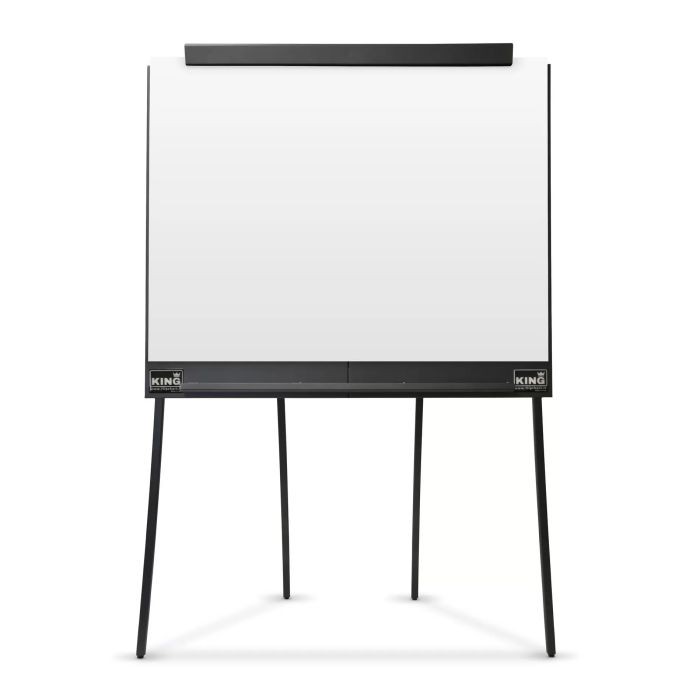
Flip chart combine the functions of whiteboards and easels, suitable for painting, artistic creation, etc. They provide a convenient painting platform and can be wiped clean for restarting, ideal for art studios, galleries, etc.
Small Whiteboard
Small whiteboards are portable mini whiteboards suitable for personal use or small group discussions. They are lightweight and easy to carry, allowing quick writing and display on tabletops, ideal for individual or small group use.


Sliding Whiteboard
Sliding whiteboards are composed of multiple panels that can be slid horizontally along a track or rail system. This configuration allows users to reposition the individual panels for convenient usage. Commonly found in schools and office spaces, sliding whiteboards offer flexibility in organizing and presenting information across different sections of the board.
Usage Scene Classification
Wall-mounted Whiteboard
Wall-mounted whiteboards are installed on walls, providing stable writing and display platforms. They are commonly seen in meeting rooms, classrooms, etc., where fixed writing positions are required, convenient for multiple users.
Desktop Whiteboard
Desktop whiteboards are placed on tabletops, suitable for personal use or small group discussions. They are lightweight and easy to move, allowing placement at any desired location, convenient for individual or small group writing and display.

In summary, whiteboards are essential tools in a variety of environments, providing durability, flexibility, and convenience. From metal to glass, and from folding to wall-mounted, they offer solutions for every need, fostering collaboration and creativity wherever they're used.
Customizable Whiteboards from Wideny Factory
At Wideny Factory, we pride ourselves on our ability to offer fully customizable whiteboards to meet the specific needs of our clients. Whether you require custom sizes, unique board surfaces, specialized framing, or tailored packaging, we have the expertise and resources to deliver high-quality, personalized products that align perfectly with your requirements.
Custom Sizes
We understand that different spaces and uses call for different whiteboard dimensions. That's why we offer a range of custom sizes to ensure that your whiteboard fits perfectly in your designated space. Whether you need a compact board for a small office or a large, expansive board for a conference room, we can create the exact size you need.
Custom Board Surfaces
Our customization options extend beyond just the size of the whiteboard. We offer a variety of board surfaces to cater to different preferences and uses, including:
●Whiteboard: Ideal for standard writing and dry-erase markers.
●Blackboard: Perfect for traditional chalk writing.
●Green Board: Suitable for both chalk and markers, often used in educational settings.
●Corkboard: Excellent for pinning notices, photos, and documents.
●Pin Board: Similar to a corkboard but designed for frequent pinning and unpinning.
Custom Framing
The frame of a whiteboard not only provides support but also adds to its aesthetic appeal. At Wideny, we offer customization for both the material and the style of the frame's corners. Choose from a variety of frame materials such as:
●Aluminum: Lightweight and durable, providing a sleek, modern look.
●Wood: Offers a classic, traditional appearance with a natural feel.
●Plastic: Economical and versatile, available in multiple colors.
●Additionally, you can select the style of the frame's corners to match your design preferences, whether you prefer rounded, mitered, or capped corners.
Custom Packaging
We understand that packaging is crucial for the protection and presentation of your whiteboard. Therefore, we offer several packaging options to ensure your product arrives safely and in excellent condition:
Single Piece Packaging:
●OPP Bag: A basic, clear plastic bag for economical protection.
●Shrink Wrap: Provides a tight, secure covering to protect against scratches and dust.
●Bubble Wrap: Offers additional cushioning to safeguard against impacts during shipping.
Outer Box Packaging:
●Five-Layer Box: Standard, sturdy cardboard box for reliable protection.
●Honeycomb Box: Enhanced strength and durability, ideal for heavy-duty shipping requirements.
At Wideny Factory, our goal is to provide whiteboards that are perfectly tailored to your specific needs. From dimensions and surfaces to frames and packaging, our extensive customization options ensure that you get a product that not only meets but exceeds your expectations. Contact us today to discuss your custom whiteboard requirements and let us create the ideal solution for you.
The Production Process of Whiteboards at Wideny Whiteboard Manufacturer
At Wideny Factory, we take pride in our meticulous production process to ensure that every whiteboard meets our high standards of quality and durability. The process involves several key stages: material preparation, adhesive application, pressing, assembly, packaging, and shipping. Here’s a detailed look at each step:
1. Material Preparation
The production of a high-quality whiteboard begins with the careful selection and preparation of materials. We source premium-grade materials such as steel sheets, aluminum frames, wooden panels, and various types of board surfaces including melamine, tempered glass, and cork. Each material is inspected for quality to ensure it meets our stringent specifications.
2. Adhesive Application
Once the materials are prepared, the next step is the application of adhesive. The board surface and the backing material are coated with a specialized adhesive that is designed to provide a strong and durable bond. This adhesive is evenly sprayed onto the surfaces using advanced machinery to ensure consistent coverage and optimal adhesion.
3. Pressing
After the adhesive has been applied, the materials are placed in a hydraulic press. This step involves pressing the board surface and the backing material together under high pressure. The pressing process ensures that the adhesive spreads evenly and creates a strong bond between the layers. The boards are kept in the press for a specific duration to allow the adhesive to cure properly, resulting in a flat and smooth surface.
4. Assembly
With the board core completed, the next step is the assembly of the whiteboard. The edges of the board are trimmed to ensure precise dimensions, and then the frame is attached. Depending on the customer’s specifications, the frame could be made from aluminum, wood, or plastic. The frame provides structural support and enhances the board's appearance. Corner protectors or caps are also added to ensure safety and durability.
5. Packaging
Once assembled, each whiteboard undergoes a thorough quality inspection to ensure it meets our standards. After passing inspection, the whiteboards are carefully packaged to protect them during transportation. We offer several packaging options, including:
●OPP Bag: For basic protection against dust and scratches.
●Shrink Wrap: For a tight, secure covering.
●Bubble Wrap: To provide cushioning against impacts.
●Outer Boxes: Sturdy five-layer boxes or honeycomb boxes for enhanced protection during shipping.
6. Shipping
Finally, the packaged whiteboards are prepared for shipment. Our logistics team coordinates the shipping process to ensure timely and safe delivery to our customers. Each package is labeled and documented to ensure accurate tracking and handling throughout the shipping process.
Conclusion
The production process at Wideny Factory is designed to ensure the highest quality whiteboards that meet the diverse needs of our customers. From material preparation to shipping, each step is meticulously managed to maintain our standards of excellence. Whether for educational institutions, corporate offices, or creative studios, our whiteboards are crafted to deliver superior performance and durability.
Differences Between Whiteboards, Greenboards, Blackboards, and Corkboards
When selecting a writing or display surface, it's important to understand the differences between the various types of boards available. Here we will explore the unique features and uses of whiteboards, greenboards, blackboards, and corkboards

Whiteboards
●Surface Material: Typically made from steel, melamine, or tempered glass.
●Writing Tools: Use dry-erase markers that can be easily wiped off with a dry eraser or cloth.
●Cleaning: Requires regular cleaning to prevent ghosting and staining, especially with lower quality boards.
●Usage: Commonly used in offices, classrooms, and meeting rooms for presentations, brainstorming, and teaching. Magnetic whiteboards can also hold magnets for added functionality.
●Advantages: Easy to write on and erase, offers a clean and professional appearance, suitable for frequent use.
Greenboards
●Surface Material: Often made from a hard, matte green surface similar to a chalkboard but optimized for use with both chalk and special markers.
●Writing Tools: Use chalk or specialized markers.
●Cleaning: Chalk can be messy and requires a damp cloth or eraser for cleaning.
●Usage: Popular in educational settings like classrooms, often preferred for its less harsh color on the eyes compared to blackboards.
●Advantages: Versatile for both chalk and markers, green surface is easier on the eyes, durable and long-lasting.


Blackboards
●Surface Material: Traditionally made from slate, but modern versions are often made from synthetic materials.
●Writing Tools: Use chalk, which is easy to erase with a damp cloth or a chalk eraser.
●Cleaning: Can create dust, which may be a concern in some environments; requires regular cleaning to maintain a clear surface.
●Usage: Historically used in classrooms, now less common but still found in some schools and restaurants (for menus and specials).
●Advantages: Provides high contrast for chalk writing, durable, can be used for artistic purposes.
Corkboards
●Surface Material: Made from natural cork, providing a soft yet durable surface.
●Writing Tools: Not for writing; used with pushpins or thumbtacks to pin notes, documents, photos, etc.
●Cleaning: Does not require regular cleaning like other boards but should be maintained by removing pins and paper debris.
●Usage: Commonly used in offices, homes, and schools for pinning announcements, reminders, and decorations.
●Advantages: Great for organizing and displaying papers, easy to update and rearrange items, adds a natural and warm aesthetic to a space.

Conclusion
Choosing the right type of board depends on your specific needs and the environment in which it will be used. Whiteboards are ideal for modern offices and classrooms requiring frequent writing and erasing. Greenboards offer a versatile option for both chalk and marker use with a more eye-friendly color. Blackboards provide a classic look with high contrast for chalk writing, suitable for artistic or traditional settings. Corkboards, while not for writing, are excellent for organizing and displaying various materials. Understanding these differences will help you make an informed decision that best suits your needs.
How to Maintain a Whiteboard
Proper maintenance of a whiteboard is essential to ensure its longevity and optimal performance. Regular cleaning and appropriate usage can prevent staining, ghosting, and surface damage. Here are some tips on how to maintain a whiteboard:
Regular Cleaning
●Daily Wiping: After each use, wipe the board with a dry eraser or a soft cloth to remove fresh marker ink. This prevents ink from drying and staining the surface.
●Weekly Cleaning: At least once a week, clean the board with a whiteboard cleaning solution or a mixture of water and mild soap. Spray the solution onto a soft cloth and gently wipe the board. Avoid using harsh chemicals or abrasive cleaners that can damage the surface.
01
Deep Cleaning
●Monthly Cleaning: For a more thorough cleaning, use a whiteboard cleaner or isopropyl alcohol. Apply the cleaner to a soft cloth and wipe the entire surface of the board. This helps remove any residual ink and prevents ghosting.
●Stubborn Stains: For persistent stains, use a specialized whiteboard cleaner or a mixture of vinegar and water. Apply the cleaner to the stained area and let it sit for a few minutes before wiping it off.
02
Proper Marker Usage
●Use High-Quality Markers: Always use high-quality dry-erase markers designed specifically for whiteboards. Low-quality markers can leave stains and ghosting.
●Avoid Permanent Markers: Never use permanent markers on a whiteboard. If permanent marker ink gets on the board, use a dry-erase marker to write over it, then wipe it off immediately.
03
Proper Eraser Maintenance
●Clean Erasers Regularly: Erasers can accumulate ink residue, which can spread on the board if not cleaned. Regularly clean your erasers by brushing off the residue or washing them with water and mild soap.
●Use a Soft Cloth: In addition to a traditional eraser, you can use a microfiber cloth to clean the board. Microfiber cloths are gentle on the surface and effectively remove ink.
04
Avoid Physical Damage
●No Sharp Objects: Avoid using sharp or pointed objects on the whiteboard surface as they can scratch and damage it.
●Gentle Handling: Handle the whiteboard gently during installation and use. Avoid leaning heavily on the board or applying excessive pressure when writing.
05
Store Properly
●Avoid Direct Sunlight: Prolonged exposure to direct sunlight can cause the whiteboard surface to discolor. Install the whiteboard in a shaded area.
●Climate Control: Keep the whiteboard in a room with stable temperature and humidity to prevent warping and other damage.
06
Use Magnetic Accessories Appropriately
●Magnetic Whiteboards: If your whiteboard has a magnetic surface, use appropriate magnetic accessories that do not scratch or damage the surface.
07
Conclusion
By following these maintenance tips, you can keep your whiteboard in excellent condition, ensuring clear, bright writing surfaces for years to come. Regular cleaning, proper marker usage, and careful handling are key to preserving the functionality and appearance of your whiteboard.
FAQ
Q: 1. What is a whiteboard made of?
Q: 2. How do I clean a whiteboard?
Q: 3. Can I use permanent markers on a whiteboard?
Q: 4. What should I do if I accidentally use a permanent marker on my whiteboard?
Q: 5. Why is my whiteboard stained and how can I remove it?
Q: 6. How often should I clean my whiteboard?
Q: 7. Can I use regular cleaning products on my whiteboard?
Q: 8. Why does my whiteboard have ghosting?
Q: 9. How do I prevent ghosting on my whiteboard?
Q: 10. What are the benefits of a glass whiteboard?
Q: 11. Are there magnetic whiteboards?
Q: 12. How do I install a wall-mounted whiteboard?
Q: 13. Can whiteboards be used outdoors?
Q: 14. What is the difference between a whiteboard and a greenboard?
Q: 15. How do I repair scratches on a whiteboard?
Q: 16. Can I customize the size of my whiteboard?
Q: 17. What types of markers should I use on a whiteboard?
Q: 18. How do I remove old, stubborn ink from a whiteboard?
Q: 19. How long do whiteboards typically last?
Q: 20.Can I use whiteboard markers on a chalkboard?
We're well-known as one of the most professional white board manufacturers and suppliers in China. Our factory offers customized white board with competitive price. Welcome to contact us for wholesale service.