


Whiteboards, also known as dry erase boards or marker boards, are a common tool used for recording, displaying, and sharing information. Their versatility and practicality make them indispensable in various settings, from classrooms to conference rooms, and even for daily household organization. Below are some key points about the whiteboard industry.
Types of Whiteboards
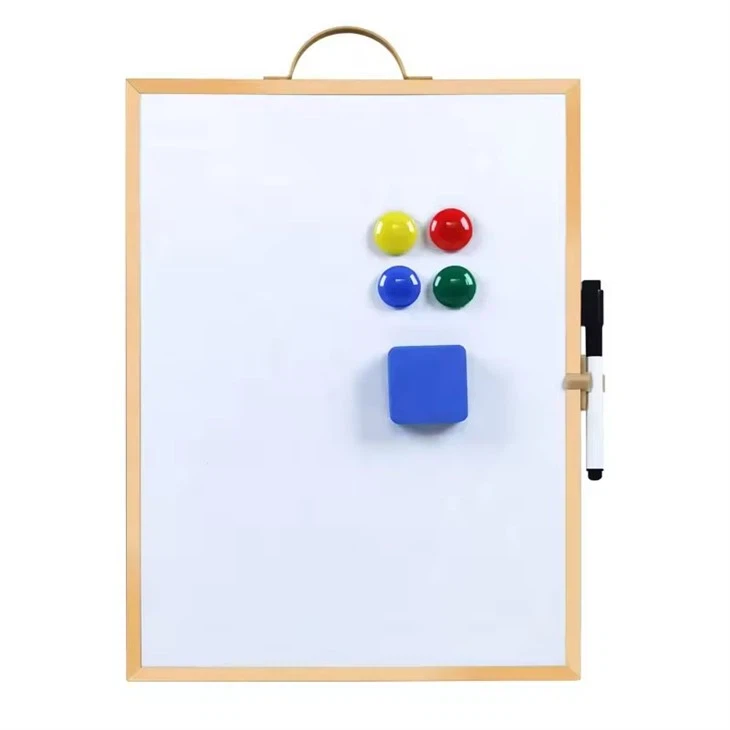
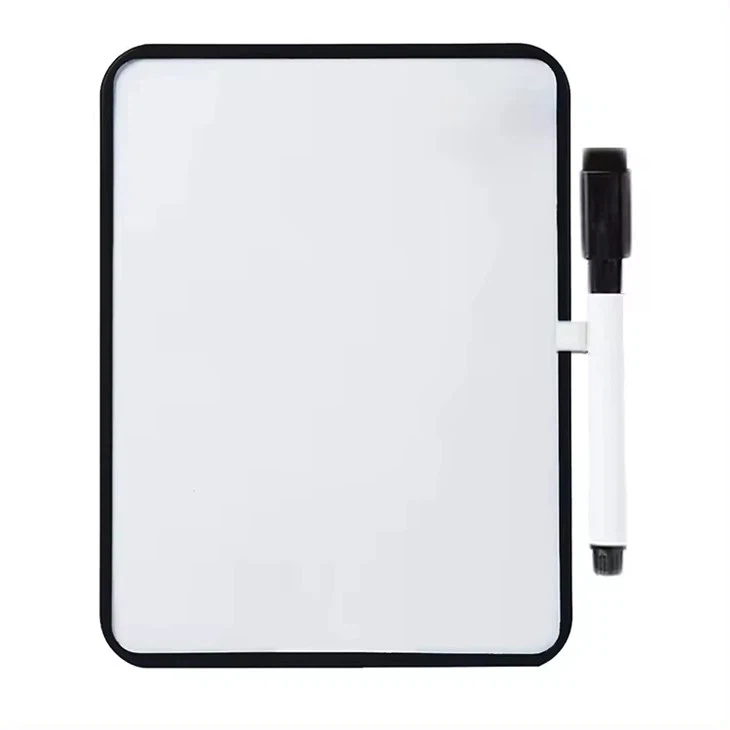
1. Magnetic Whiteboards
Magnetic whiteboards have a magnetic surface that allows the use of magnets to hold papers, photos, and other items. They are typically made of enamel or galvanized steel, which are durable and easy to clean.



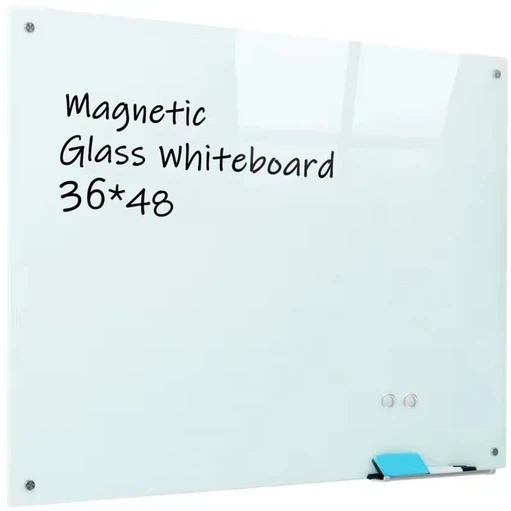
2. Glass Whiteboards
Glass whiteboards offer a modern, high-end look with a smooth surface that resists staining. They are commonly used in upscale offices and conference rooms.


3. Portable Whiteboards
Portable whiteboards are lightweight and easy to carry, making them suitable for flexible use in various locations such as training sessions and temporary meetings.


Materials and Technology of Whiteboards
1. Surface Materials
The surface material of a whiteboard directly affects its writing and cleaning performance. Common surface materials include:
- Enamel: High durability and scratch resistance, suitable for frequent use.
- Painted Steel: Cost-effective, ideal for moderate use.
- Glass: Visually appealing and easy to clean, but more expensive.
2. Magnetic Backing
High-quality magnetic whiteboards often feature strong magnetic backings to ensure they adhere firmly to metal surfaces like refrigerators or magnetic walls.
3. Writing Tools
Complementary writing tools, such as dry erase markers, should have low odor, quick-drying ink that is easy to erase. Brightly colored markers enhance readability and visual appeal.
Market Trends and Developments
1. Digital Whiteboards
With technological advancements, digital whiteboards (also known as interactive whiteboards) have become popular. These combine the functionality of traditional whiteboards with digital technology, enabling features like remote meetings and interactive teaching.
2. Eco-Friendly Materials
Increased environmental awareness is driving manufacturers to use recyclable materials and eco-friendly production processes. Non-toxic, low-emission whiteboard products are becoming more popular.
3. Customization
The growing demand for personalized products has led to a trend in custom whiteboards. Users can tailor the size, design, and features to meet specific needs for various scenarios.
Maintenance and Care of Whiteboards
1. Regular Cleaning
To maintain clarity and longevity, it's recommended to clean whiteboards regularly with specialized cleaners and soft cloths. Avoid abrasive cleaners or rough tools to prevent surface damage.
2. Proper Usage
Use appropriate dry erase markers and avoid using permanent markers or other hard-to-erase writing tools. Do not press too hard when writing to prevent surface scratches.
3. Storage and Handling
When storing and transporting whiteboards, avoid heavy pressure and rough handling to prevent damage to the surface or edges.
Conclusion
Whiteboards are a multifunctional and practical tool, playing an essential role in education, office settings, and household organization. Understanding the characteristics of different types of whiteboards and market trends can help users choose the most suitable product. Proper maintenance and care can keep whiteboards in good condition and extend their lifespan. With continuous innovation in the industry, whiteboards will continue to provide convenient and efficient solutions for users.


