


Whiteboards are a common tool in education, business, and home environments, and the choice of material directly affects their usability and longevity. Here is a detailed introduction to whiteboard materials, specifically glass, wood, and galvanized steel.
1. Glass Whiteboards

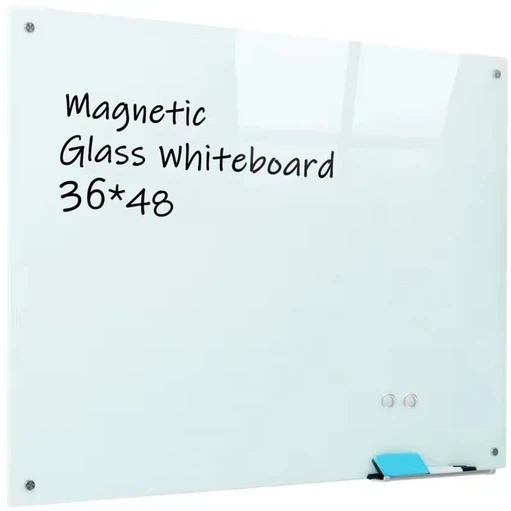

Glass whiteboards have become increasingly popular due to their aesthetic appeal and durability. Made primarily of tempered glass, these whiteboards offer several advantages:
- High-End Aesthetic: Glass whiteboards have a modern appearance, and the clear or colored glass can seamlessly blend with interior décor, making them ideal for contemporary office settings and high-end environments.
- Easy to Clean: The smooth surface of glass makes it easy to erase markings without leaving any ghosting.
- Durable: Tempered glass is very sturdy and resistant to scratches, providing a long lifespan.
- Chemical Resistance: Glass is not easily affected by chemicals, making it suitable for various environments, including laboratories.
However, glass whiteboards also have some drawbacks:
- Higher Cost: Glass whiteboards are more expensive to manufacture compared to other materials.
- Heavier Weight: They are heavier than other types of whiteboards, requiring more secure mounting methods.
- Safety Concerns: Although tempered glass is very strong, there is still a potential safety hazard if it shatters in extreme conditions.
2. Wooden Whiteboards


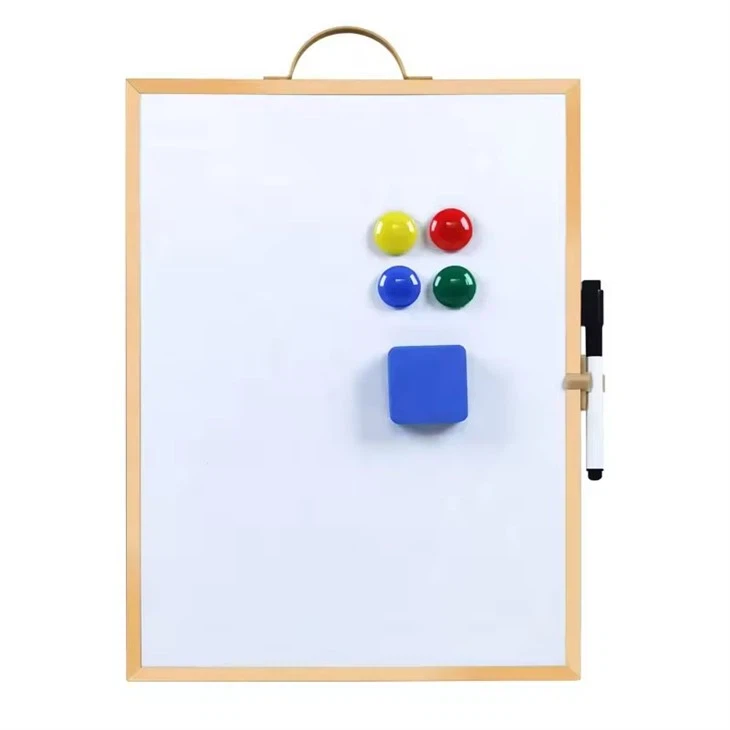
Wooden whiteboards are less common but still used in specific environments. They are typically made by covering a wooden board with a layer of whiteboard coating. The advantages and disadvantages of wooden whiteboards include:
- Natural Aesthetic: Wooden whiteboards offer a natural wood grain appearance, which is appealing in settings that prioritize a natural look.
- Moderate Cost: They are less expensive to produce than glass whiteboards.
- Easy to Customize: Wood is easy to cut and shape, allowing for custom sizes and shapes.
However, wooden whiteboards have some limitations:
- Lower Durability: The wooden surface is more prone to scratches and wear, leading to a shorter lifespan.
- Susceptible to Moisture: Wood can absorb moisture and warp in humid environments, affecting its usability.
- Difficult to Clean: The surface is not as smooth as glass or galvanized steel, making it harder to erase markings completely.
3. Galvanized Steel Whiteboards
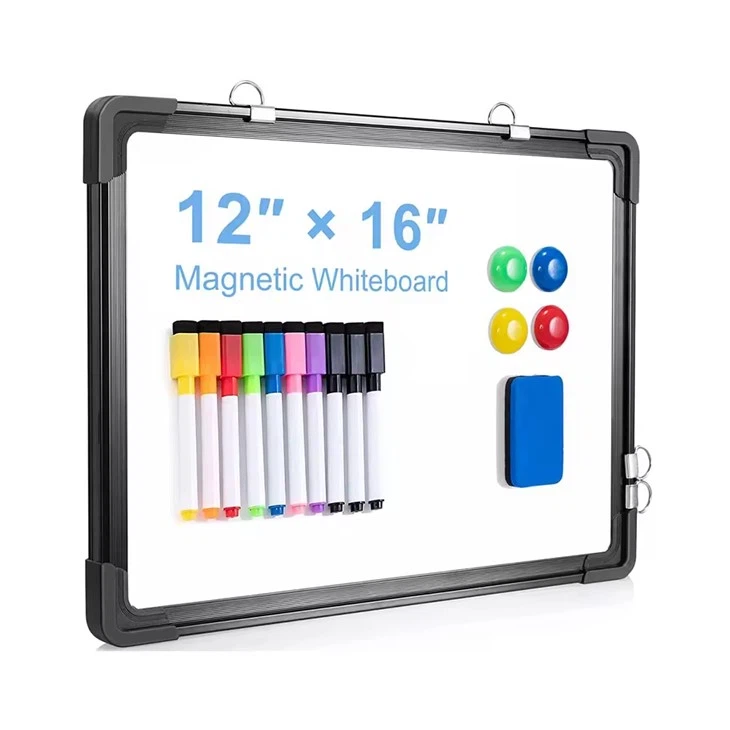


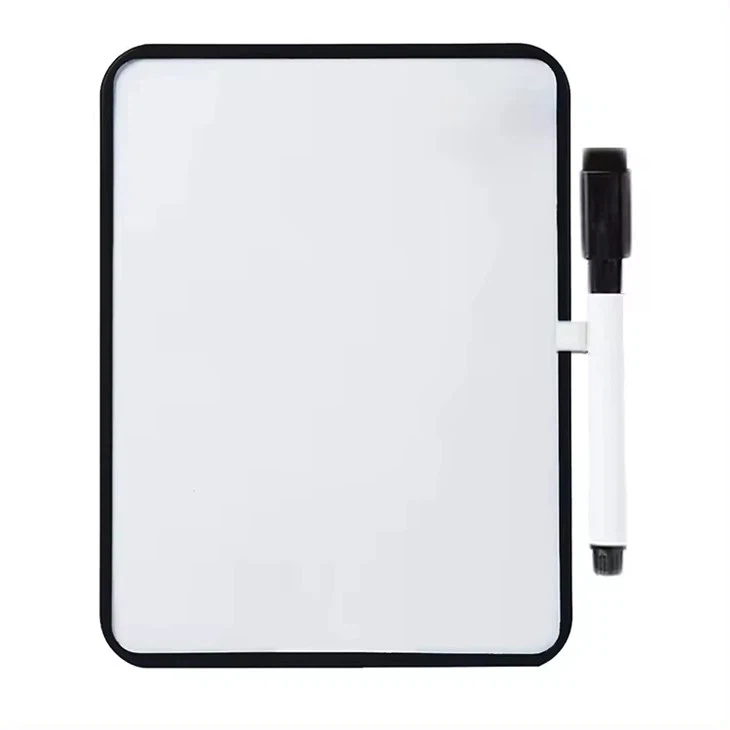
Galvanized steel whiteboards are made by coating a steel board with whiteboard paint. This type of whiteboard has several characteristics:
- Durable: Galvanized steel is highly durable and resistant to corrosion, making it suitable for long-term use.
- Easy to Clean: The smooth surface allows for easy erasing without leaving marks.
- Moderate Cost: These whiteboards offer a good balance between cost and performance.
The drawbacks of galvanized steel whiteboards include:
- Heavier Weight: Like glass, galvanized steel is relatively heavy and requires sturdy mounting.
- Average Aesthetics: While functional, galvanized steel whiteboards lack the modern look of glass whiteboards.
- Susceptibility to Scratches: Although durable, the surface can still get scratched if not handled properly.
4. Comparison of Different Whiteboard Materials
| Material | Advantages | Disadvantages |
|---|---|---|
| Glass Whiteboard | Aesthetic, easy to clean, durable, chemical resistant | High cost, heavy, potential safety hazard |
| Wooden Whiteboard | Natural look, moderate cost, easy to customize | Lower durability, moisture-sensitive, hard to clean |
| Galvanized Steel Whiteboard | Durable, easy to clean, moderate cost | Heavy, average aesthetics, susceptible to scratches |
5. Recommendations for Choosing
Choosing the right whiteboard material depends on specific needs and budget:
- High-End Business and Educational Environments: Glass whiteboards are recommended for their aesthetic appeal and durability.
- Natural-Look Settings: Wooden whiteboards are suitable for environments that emphasize a natural aesthetic, but moisture protection is essential.
- General Office and Educational Use: Galvanized steel whiteboards are a cost-effective, durable, and easy-to-maintain option.
Conclusion
The material of a whiteboard significantly impacts its usability and lifespan. Understanding the characteristics of different materials and matching them with specific needs can enhance the user experience and extend the whiteboard's service life. When choosing a whiteboard, it is important to balance aesthetics, durability, ease of cleaning, and cost to find the most suitable material.


